
Self-directed learning is often enough when you need to improve one practical workflow for an upcoming cultural project. Paid training, mentoring, or specialist support is more worth considering when feedback, team alignment, or a complex deliverable matters more than information alone.
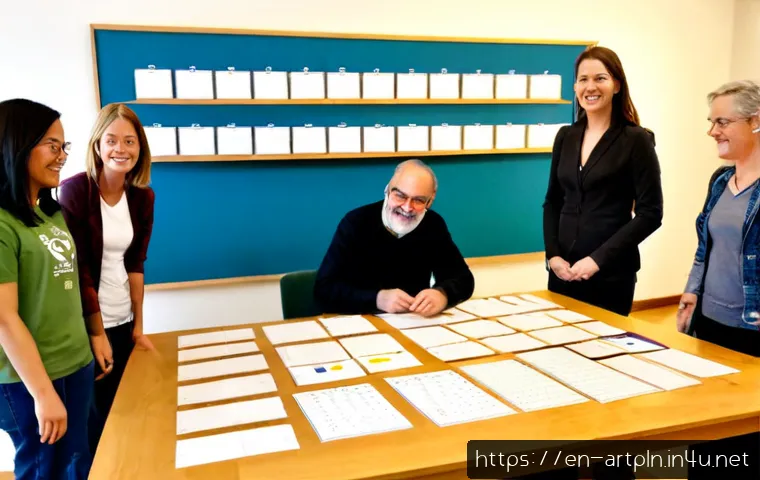
For art and cultural planners, the strongest learning choices connect directly to better budgeting, stakeholder communication, project delivery, and evaluation.
A useful course or consultant should help produce something you can use: a clearer proposal, a project system, a reporting template, or stronger portfolio evidence.
Compare options by project relevance, total cost, and usable deliverables—not by prestige alone. No course, certificate, or tool can guarantee funding, clients, audience growth, or career progress.
At a Glance
- Start with a live project: choose learning that improves an upcoming brief, exhibition, festival, or community program.
- Match the format to the gap: self-study, workshops, certificates, mentoring, and consultants serve different needs.
- Measure practical return: look for reusable workflows, documented outcomes, and clearer client value.
| Learning Option | Cost and Time Pattern | Feedback Level | Best Use Case |
|---|---|---|---|
| Self-directed study | Flexible; implementation still takes time | Usually limited | Building a specific skill around a current project |
| Short workshop | Focused commitment | May include guided feedback | Testing a topic or improving one working method |
| Professional certificate | Broader commitment; compare the total cost | Often structured | Developing a wider capability across several projects |
| Mentoring or consultant support | Varies with scope and access | Direct and contextual | Solving a complex project, team, or specialist challenge |
Start With a Learning Plan Tied to Real Cultural Projects
Learning becomes more useful when it is attached to work already on the horizon. Instead of making a broad goal such as “learn arts management,” identify the decision, document, or process that would improve your next project. This approach helps turn learning into a working asset rather than a collection of notes.
The Three Skills That Usually Create the Most Immediate Project Value
Many cultural planning roles combine creative development with stakeholder communication, budgeting and scheduling, and audience engagement and evaluation. These areas often affect whether a concept can be understood, delivered, and assessed. Prioritize the skill that currently creates the biggest point of friction in your work.
For example, a planner with strong artistic ideas but unclear cost communication may focus on budget narratives and financial communication. A team preparing a public program may need better partnership management or audience research. The aim is not to master every topic at once; it is to improve the part of the project system that needs attention now.
Turn One Upcoming Brief, Exhibition, Festival, or Community Program Into a Learning Roadmap
Choose one real assignment and list its stages: concept development, partner communication, budget preparation, scheduling, delivery, documentation, and reporting. Then mark the stage where your current process feels unclear or inconsistent. That becomes your learning priority.
A practical roadmap should name one usable deliverable. It might be a revised project timeline, a partner briefing format, an evaluation plan, or a clearer funding application workflow. If a course, mentor, or project management software cannot help you create or improve a relevant deliverable, its fit may be weak.
A Simple 90-Day Learning Cycle: Learn, Apply, Review, Document
Use a short cycle to prevent learning from being separated from practice. First, learn one method that is relevant to the project. Next, apply it while the project is active. Review what changed with collaborators, partners, or internal stakeholders. Finally, document the workflow, template, or result so it can be reused.
Documentation matters. It can become portfolio evidence for independent planners, a shared operating method for small agencies, or a reference point for in-house teams. Avoid treating completion of a course as the final outcome; the useful outcome is the improved way of working.
Compare Learning Options by Cost, Time, and Practical Return
The best professional development route depends on the work you expect to do, the feedback you need, and the effort required to apply the learning. A lower-fee option may still be expensive if it consumes substantial implementation time. A more focused option may be worthwhile when it resolves a high-stakes project gap.
Self-Directed Study vs. Workshops vs. Certificates vs. Mentoring
Self-directed study can suit a clear, contained question: how to organize event documentation, structure a project schedule, or improve a reporting template. It is less suitable when you need informed review of a complex proposal or help navigating difficult stakeholder relationships.
Short workshops can be a practical way to test a subject before making a larger commitment. Professional certificates may fit planners who want a structured learning path across multiple related skills. Mentoring can be valuable when context-sensitive feedback matters. A consultant may be appropriate when specialist knowledge or an outside perspective is needed for a defined project challenge.
What to Include in the Total Cost of Professional Development
Do not compare course fees alone. Your total cost can include the fee, required software, travel, time away from billable client work, internal coordination, and the effort needed to implement a new process. For an agency or organization, include team adoption as well: a tool is not useful merely because one person can operate it.
Ask what you will need after the training ends. Will the project system require continuing maintenance? Does the course expect tools your team does not use? Is there enough time to turn the learning into a shared workflow? These questions make a training comparison more realistic.
When a Consultant or Specialist Course Is More Valuable Than Learning Alone
Consider specialist support when the work requires feedback that cannot be gained from general reading or recorded lessons. This may include shaping a complex funding application process, setting up a cross-team delivery system, or reviewing an approach to audience research and reporting.
Before engaging a consultant, define the scope and expected outputs. Ask whether the support will leave your team with a usable template, decision framework, or documented workflow. Specialist support should build capability, not create unnecessary dependence.
Build Core Skills That Strengthen Cultural Planning Work
Core skills do not replace creative vision. They make it easier to communicate that vision, coordinate the people involved, and show what happened after delivery. Build them in a way that fits your cultural sector and the actual scale of your projects.
Budgeting, Funding Applications, and Financial Communication
Budgeting is not only a finance task. It helps explain what a cultural project needs in order to be delivered responsibly. Learning priorities may include creating clearer budget assumptions, connecting activities to costs, and communicating financial choices to clients, partners, or internal decision-makers.
For funding applications, focus on the connection between the proposed activity, delivery plan, and evaluation approach. Requirements and eligibility vary by funder and location, so confirm the relevant guidance directly rather than relying on a generic training example.
Partnership Building, Community Engagement, and Stakeholder Management
Cultural projects often involve artists, venues, community groups, funders, suppliers, public bodies, and audiences. A strong learning investment can improve how you map responsibilities, set expectations, record decisions, and maintain communication across those groups.
Look for methods that help you listen as well as present. Community engagement is not a fixed checklist. The appropriate approach depends on the people involved, the project context, and the level of participation being sought.
Digital Project Systems, Documentation, and Outcome Evaluation
Arts project management software and other digital tools can support collaboration, event planning, documentation, audience research, and reporting. However, the tool should follow the workflow—not force the team into unnecessary complexity. Start by deciding what needs to be tracked, who needs access, and what information must be available at each project stage.
A simple shared system may be more useful than a feature-heavy platform that nobody adopts. When comparing tools, look closely at the workflow fit, documentation needs, collaboration features, and the implementation effort required for your team.
Avoid Common Lifelong-Learning Mistakes in Creative Practice
Professional development can lose value when it becomes disconnected from real work. The goal is not to collect learning experiences. It is to build stronger planning habits and a clearer service offer over time.

Collecting Credentials Without Applying Them to Live Work
A credential may show commitment, but it does not automatically improve project outcomes. After any workshop or certificate module, decide where the learning will be used. Create one revised template, planning method, or client-facing explanation before moving to the next topic.
Choosing Training Because of Prestige Rather Than Project Fit
A well-known provider may still be the wrong choice if the course does not address your planned work. Read the curriculum, feedback format, time commitment, and expected assignments. Ask whether the learning can strengthen a project you expect to deliver, not only your professional profile.
Underestimating Implementation Time, Software Needs, and Team Adoption
New methods create work before they reduce work. Someone needs to adapt templates, introduce the process, and keep documentation current. Build implementation time into the decision. If multiple people will use the system, involve them early so the workflow reflects how the team actually operates.
Choose the Right Learning Route for Your Working Situation
Your working model affects the best learning route. Independent planners may need portfolio-ready evidence, while agencies and in-house teams may need consistent systems that several people can use.
Independent Planners Building a Stronger Portfolio and Client Offer
Independent planners can prioritize learning that creates visible proof of capability: a clearer project plan, stronger stakeholder process, improved evaluation framework, or more organized documentation. Mentoring can be useful when you need feedback on positioning or a live client brief. Choose training that helps you describe your offer in practical terms.
Small Cultural Agencies Standardizing Delivery and Team Capability
Small agencies may benefit from shared project workflows before pursuing broad individual training. Identify recurring delivery issues, such as inconsistent scheduling, unclear handovers, or scattered project records. Then choose a workshop, consultant, or digital project system that supports a common method.
In-House Teams Preparing for Larger Partnerships or Funded Programs
In-house teams may need learning that improves coordination across departments and strengthens reporting practice. A planned partnership or funded program can provide a useful learning anchor. Clarify responsibilities, reporting requirements, and internal approval steps before selecting external training or support.
Selection Criteria and Comparison Summary
Compare learning options by project relevance, total cost, and usable deliverables. Before paying for a course, membership, mentor, or consultant, ask these questions:
- Does this option solve a clear need in an upcoming cultural project?
- Will it provide feedback that self-directed learning cannot provide?
- What is the total cost, including time, software, travel, and implementation?
- What usable output should exist after the learning is complete?
- Can the workflow be repeated across future projects or shared with a team?
- How will you review whether it improved planning, communication, documentation, or reporting?
When comparing professional development courses, arts project management software, grant-writing support, or consultant services, review the official details for scope, delivery format, recognition, ongoing requirements, and local eligibility conditions before committing.
Questions to Ask Before Paying for a Course, Membership, Mentor, or Consultant
Ask what feedback is included, what assignments or outputs are expected, and whether the material fits your cultural sector. For consultant selection, clarify the problem to be addressed, the scope of work, and what your team will retain after the engagement.
A Decision Checklist for Learning Investments That Support Future Work
A sound decision has a clear project connection, a manageable total cost, a practical output, and time for implementation. If one of these is missing, reduce the scope or consider a smaller learning step first.
How to Measure Whether the Learning Investment Improved Project Outcomes
Measure the change in your working process, not a guaranteed external result. You might review whether planning became clearer, stakeholders received more consistent information, documentation became easier to retrieve, or your team could repeat a process with less uncertainty. Keep short notes after each project to identify what should be retained or improved.
Closing Thoughts
Lifelong learning in cultural planning works best when it is tied to the work you want to deliver next. Start with one genuine project gap, choose the learning format that gives you the right level of feedback, and make time to apply the result. A reusable workflow can be more valuable than a broad credential with no connection to your practice. Over time, those documented improvements can strengthen both project delivery and client value.
Useful Information
One learning goal is enough: A focused improvement is easier to apply than a long list of unrelated topics.
Keep an evidence file: Save templates, planning notes, feedback, and revised workflows that show how your practice developed.
Review after delivery: The end of a project is a useful moment to identify the next skill priority.
Important Considerations
Course quality, fees, certificate recognition, funding eligibility, and consultant availability vary by provider and location. Your country, funding environment, career stage, budget, and cultural sector will affect the right choice. Training, tools, and specialist support can strengthen capability, but they cannot guarantee grants, clients, audience growth, or career advancement.
Frequently Asked Questions
Q1. What skills should an art and cultural planner learn first?
A1. Start with the skill that most directly limits an upcoming project. Common high-value areas include budgeting and financial communication, stakeholder management, scheduling, audience engagement, documentation, and evaluation. Choose one area and apply it to live work before moving on.
Q2. Are professional certificates worth the cost for cultural planning careers?
A2. They can be useful when the curriculum matches your planned work, provides meaningful feedback, and helps you create usable outputs. Compare the full cost, time commitment, recognition in your location, and opportunity to apply the learning. A certificate alone does not guarantee career advancement.
Q3. Should a small arts organization hire a consultant or invest in staff training first?
A3. Start by defining the immediate problem. Staff training may suit a recurring capability gap that the team can apply across future projects. A consultant may be more useful for a complex, time-sensitive, or specialist challenge. In either case, seek a clear scope and a process the organization can continue using afterward.