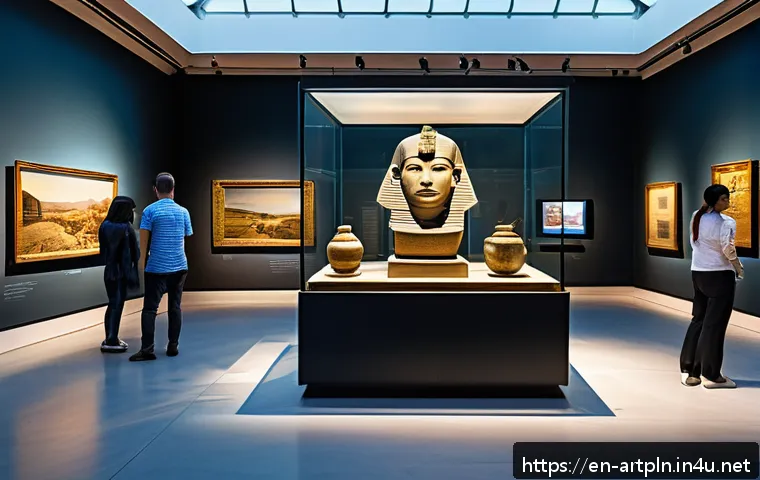
A successful art exhibition begins with a clear curatorial goal and an operational plan that can realistically deliver it. Internal planning can work for a small, familiar project, while a freelance curator or full-service exhibition planning agency may be more suitable when coordination, installation, vendor management, or audience development becomes complex.
The right choice depends on your team’s capacity, the venue, the artwork requirements, and the level of budget control you need. Before requesting vendor quotes, define the exhibition scope and identify which responsibilities must be handled professionally.
A polished visual concept is important, but scheduling, artwork handling, visitor flow, and contract clarity are equally important. This guide helps galleries, cultural organizations, corporate programs, and independent artists compare planning options without relying on assumptions.
At a Glance
- Start with the purpose: Define the curatorial message, intended audience, and realistic outcomes before booking a venue or hiring vendors.
- Protect the essentials first: Artwork handling, installation, staffing, contracts, accessibility, and timeline coordination should not be treated as afterthoughts.
- Choose the service level by complexity: In-house teams suit familiar projects, while freelance curators and exhibition planning agencies can support specialized or multi-vendor exhibitions.
| Planning Option | Best Fit | Control Level | Timeline Support | Budget Predictability |
|---|---|---|---|---|
| In-house planning | Teams with venue knowledge and available staff | High internal control | Depends on team capacity | Clearer when existing vendors and processes are in place |
| Freelance curator | Projects needing curatorial direction or artist coordination | Shared control | Useful for concept and artist-led planning | Depends on the agreed project scope |
| Full-service exhibition planning agency | Complex exhibitions, new venues, corporate programs, or multi-vendor projects | Strategic control remains with the client | Often supports wider coordination | Can be easier to review when scope and exclusions are documented |
What Makes an Art Exhibition Work: The Essential Planning Framework
Three priorities: curatorial clarity, operational feasibility, and audience relevance
A strong exhibition needs more than appealing artwork and good lighting. It needs a clear curatorial idea, a workable production plan, and a reason for its intended audience to visit. The concept should guide artwork selection, wall texts, exhibition design, public programming, and promotional messages. At the same time, the plan must fit the actual venue, available staff, installation window, and project budget.
For example, an exhibition built for collectors may prioritize artwork information, private viewing arrangements, and sales support. A community-facing exhibition may place more emphasis on interpretation, accessibility, talks, and local partnerships. The goal is not to include every possible feature. It is to make each decision support the same visitor experience.
The difference between an attractive display and a well-managed exhibition
An attractive display may look complete on opening night. A well-managed exhibition also has clear responsibilities for artwork inventory, condition reporting, packing, transport, installation, visitor safety, staffing, permissions, and closing procedures. These practical elements reduce confusion when several artists, fabricators, venue staff, and suppliers are involved.
Visual quality and operational quality should be planned together. If the installation sequence is unclear, even a strong design can be delayed. If image rights are not confirmed, promotional materials may need to be changed at the last minute. If visitor flow is ignored, the space may feel crowded or difficult to navigate.
A three-line planning summary for first-time organizers
First, write one sentence explaining what the exhibition is about and who it is for. Second, list the non-negotiable requirements: venue suitability, artwork handling, installation, staffing, and communications. Third, decide whether your internal team can manage those responsibilities or whether an exhibition planning service should coordinate part of the project.
Define the Curatorial Goal, Audience, and Success Metrics
Turning a theme into a clear visitor journey
A theme becomes useful when it helps visitors understand where to begin, what to notice, and why the works are presented together. Build a simple visitor journey: arrival, orientation, encounter with the works, interpretation, optional engagement, and exit. This does not require a complicated design. It requires consistency between the curatorial statement, layout, labels, and supporting materials.
Consider practical questions early. Will visitors need an introductory wall text? Does the exhibition require room-by-room interpretation? Are there works that need more viewing distance, lower lighting, or additional supervision? These choices affect both exhibition design and vendor quotes.
Identifying the primary audience
Define the primary audience before choosing promotion channels or programming. Possible audiences include collectors, local visitors, corporate clients, students, artists, press, or community members. A single exhibition can welcome several groups, but it should not rely on one message for everyone.
For a commercial gallery, the visitor journey may include access to artwork details and a clear contact process. For a nonprofit space, educational context and public access may carry more weight. For a corporate art program, the exhibition may need to reflect internal culture, client hospitality, or a specific brand environment. Audience definition helps prevent unfocused spending.
Choosing realistic success measures beyond attendance
Attendance is only one possible outcome. Depending on the project, useful measures may include press interest, visitor feedback, program participation, inquiry quality, relationship building, documentation quality, or internal stakeholder response. A gallery may also track sales-related conversations, while a cultural organization may focus on engagement with a defined community.
Do not assume that exhibition planning alone guarantees visitor numbers or sales. Instead, agree on what will be documented after closing and which results can reasonably be reviewed.
Compare Scope, Budget, and Service Options Before Committing
Core budget categories
Build the budget around the full exhibition lifecycle, not only the opening event. Common categories include venue use, artist fees, artwork transport, packing, installation, insurance coordination, fabrication, promotion, staffing, documentation, and deinstallation. Some projects also need design support, accessibility measures, public programming, or post-event reporting.
Separate essential operational costs from optional experience-enhancement spending. Essential items are those connected to safe artwork handling, workable installation, basic visitor access, clear contracts, and required venue processes. Optional items may include expanded event production, additional printed materials, elaborate builds, or extra programming. Optional does not mean unimportant; it means the decision should follow the project goal and available resources.
In-house team vs freelance curator vs full-service cultural planning agency
An in-house team can be efficient when it already understands the space, has reliable vendors, and can dedicate time to the schedule. A freelance curator may be valuable when the priority is curatorial direction, artist selection, interpretation, or a specific artistic network. A full-service cultural planning agency may be worth considering when the project requires coordinated vendor management, production planning, installation oversight, promotion support, or reporting across several stakeholders.
Service scope varies widely. Do not assume that an agency includes design, installation, marketing, insurance coordination, or closing reports unless those responsibilities are stated in the proposal. Likewise, a curator may not be responsible for event production, transport, or technical installation.
Questions to ask when reviewing proposals and project estimates
Ask each provider to clarify the deliverables, project phases, approval process, named responsibilities, coordination with artists and vendors, and items excluded from the estimate. Request a timeline that identifies decision points, installation access, opening preparation, and deinstallation. It is also useful to ask how changes to artwork lists, venue conditions, or event programming will be handled.
Compare proposals by scope, not by the lowest total figure. A lower quote may cover fewer responsibilities, leaving the client to manage hidden coordination work. A more detailed proposal may be easier to evaluate because it separates planning, production, and vendor-related tasks.
Where cutting costs can create avoidable risk
Cost control is sensible, but some reductions can create operational problems. Be cautious when reducing planning time for artwork handling, technical installation, condition reporting, staff briefing, accessibility, or contract review. These areas are closely connected to safety, responsibility, and visitor experience.
If the budget is limited, simplify the format rather than leaving key tasks undefined. A smaller number of works, a more focused program, or a simpler build can be easier to manage than an ambitious plan with inadequate coordination.
Build the Operational Plan: Venue, Artwork, Installation, and Compliance
Assessing venue suitability
Before finalizing an exhibition plan, review the venue’s wall capacity, ceiling height, access routes, lighting, power availability, security, visitor circulation, and accessibility. Consider how artwork will enter and leave the building, where packing materials can be stored, and whether the installation team has sufficient access time.
A visually suitable venue may still create challenges if loading access is limited or if the space cannot accommodate the intended layout. Confirm practical conditions before committing to fabrication, transport, or a final artwork list.

Artwork inventory, condition reporting, packing, transport, and installation scheduling
Create a working inventory that identifies each work, its dimensions, handling needs, display method, and relevant documentation. Condition reporting should be agreed upon before artwork moves. Packing, transport, and installation schedules should identify who is responsible at each handoff.
Installation planning should also address wall preparation, hardware, equipment, labels, lighting adjustments, technical testing, and final walkthroughs. A documented schedule helps prevent conflict between artists, fabricators, installers, and venue staff.
Contracts, permissions, image rights, insurance, and local requirements
Written agreements should clarify responsibilities for artwork loans, fees, reproduction permissions, image use, installation, transportation, cancellation, and any other project-specific terms. Insurance requirements, permits, and local venue rules can vary by city, venue type, exhibition scale, and contract terms. Confirm these details with the appropriate venue, provider, or professional adviser rather than assuming they are included.
Image rights deserve special attention. Permission to display a work does not automatically establish permission to use its image in advertising, press materials, social media, or printed catalogues.
Preventing timeline conflicts
Use one shared project schedule with clear deadlines for artwork confirmation, design approval, fabrication, marketing materials, installation, opening events, and deinstallation. Assign one person to track approvals and changes. This is especially useful when decisions involve several parties.
Build in reasonable contingency time where possible. Last-minute changes can affect labels, layouts, transport arrangements, staffing, and promotional materials at the same time.
Design the Visitor Experience and Promotion Strategy
Layout, interpretation materials, signage, and accessibility
Visitor experience begins before the first artwork is seen. Entry information, wayfinding, labels, seating, lighting, and clear circulation all influence how long visitors stay and what they understand. Keep interpretation materials readable and appropriate for the audience. If the exhibition includes complex ideas, provide an accessible entry point without oversimplifying the work.
Accessibility should be considered during planning, not added only at the end. Review entry routes, viewing heights, circulation space, readable signage, and any needs specific to the venue or audience.
Opening events, talks, guided tours, and partnership opportunities
An opening event can create attention, but it should match the exhibition’s purpose and the venue’s capacity. Talks, guided tours, artist conversations, and partner activities may deepen engagement when they support the curatorial idea. They also add staffing, scheduling, and production requirements, so they should be included in the scope from the beginning.
Matching marketing channels to the intended audience
Choose promotion channels according to the audience you want to reach and the materials you can maintain. This may include direct invitations, gallery communications, partner networks, press outreach, social media, event listings, or corporate internal channels. Use consistent language across all materials: what the exhibition is, where it takes place, when visitors can attend, and what makes it relevant.
Marketing outcomes depend on many factors beyond exhibition planning. A realistic promotional plan is more useful than broad claims about reach or attendance.
Collecting feedback and documenting outcomes after closing
After the exhibition closes, collect practical notes while the project is still fresh. Review what worked in the layout, installation schedule, vendor communication, visitor response, and programming. Keep final photographs, artwork records, approved texts, and relevant project documents organized for future use.
This review can improve the next exhibition and make future agency comparisons or vendor quote requests more precise.
Selection Criteria and Comparison Summary
Consider a full-service exhibition planning agency when your team needs support across curatorial coordination, venue management, vendor communication, installation logistics, and visitor-facing delivery. Compare proposals using scope clarity, named responsibilities, project timeline, change procedures, exclusions, and contingency planning. Ask whether artwork handling, design, fabrication, marketing, staffing, insurance coordination, and post-event reporting are included or handled separately. Confirm who approves decisions and who is responsible on installation and opening days. For official service details and contract conditions, review the provider’s proposal and service page before making a commitment.
In Closing
Good exhibition planning is a balance between artistic intention and practical delivery. Start with a focused purpose, protect essential operational tasks, and choose a planning model that matches your team’s capacity. A well-defined scope makes budget discussions, vendor quotes, and agency selection more productive. The goal is not simply to stage an attractive exhibition, but to create one that is coherent, manageable, and appropriate for its visitors.
Useful Things to Know
1. A detailed artwork list improves installation planning and transport coordination.
2. A simple responsibility matrix can prevent duplicated work between the client, curator, venue, and agency.
3. Early confirmation of image rights can prevent promotional delays.
4. Post-event notes are valuable when planning future exhibitions or comparing service providers.
Important Considerations
Exact project costs, artist fees, venue availability, insurance requirements, permits, and local rules vary by location, venue type, exhibition scale, and contract terms. Service packages also differ between freelance curators, event planners, and exhibition planning agencies. Confirm all inclusions, exclusions, responsibilities, and local requirements in writing before finalizing a project.
Frequently Asked Questions
Q1. How much does it cost to hire an exhibition planning agency?
A1. Costs vary according to the exhibition scale, location, venue, service scope, number of vendors, artwork handling needs, and contract terms. Request a written estimate that separates planning, production, installation coordination, marketing support, and any excluded services.
Q2. What services should be included in a professional exhibition planning proposal?
A2. A useful proposal should identify the project scope, deliverables, timeline, responsibilities, approvals, vendor coordination, installation support, communication process, and exclusions. Confirm whether design, fabrication, transport, insurance coordination, promotion, staffing, and post-event reporting are included.
Q3. Is it better to hire a curator, an event planner, or a full-service cultural planning agency?
A3. The best choice depends on the main need. A curator may be most useful for artistic direction and artist coordination. An event planner may focus on the opening program and guest experience. A full-service cultural planning agency may be suitable when the project needs broader exhibition management across planning, vendors, installation, and visitor delivery.