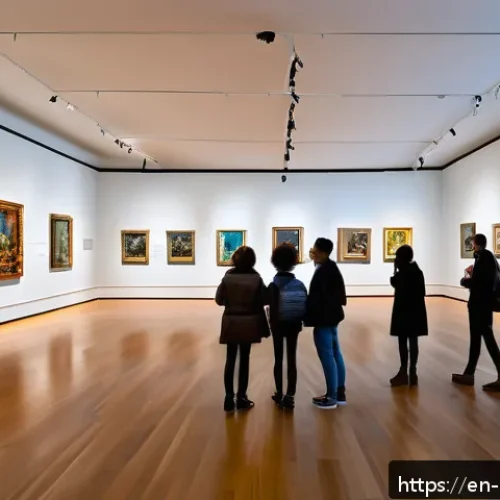
In today’s world, where climate change and environmental responsibility are more pressing than ever, the art community is stepping up in inspiring ways.

Art curators, traditionally focused on aesthetics and storytelling, are now pioneering sustainable exhibition practices that minimize ecological footprints.
This shift not only reflects a growing global consciousness but also reshapes how we experience art. As galleries and museums embrace greener methods, the role of curators becomes crucial in balancing creativity with sustainability.
Let’s dive into how these innovative minds are crafting exhibitions that are as kind to the planet as they are captivating.
Reimagining Materials: Eco-Friendly Choices in Exhibition Design
Selecting Sustainable Resources
When I first started exploring eco-conscious exhibitions, one of the biggest shifts I noticed was the deliberate choice of materials. Instead of conventional plastics or synthetic fabrics, curators are turning to recycled wood, bamboo, and biodegradable components.
These materials not only reduce waste but often add a unique tactile or visual quality that complements the artwork. For instance, using reclaimed wood for display stands adds character and history, creating a conversation between the art and its environment.
I remember visiting a gallery where the walls themselves were constructed from recycled panels, lending a subtle earthiness that enhanced the entire experience.
Innovative Reuse and Repurposing
Another trend gaining traction is repurposing existing exhibition elements. Instead of building new structures from scratch, curators are creatively reusing lighting rigs, frames, and signage.
This approach drastically cuts down on carbon emissions associated with manufacturing and transport. From what I’ve seen firsthand, this isn’t just about environmental impact; it also challenges designers to think outside the box, resulting in more inventive, engaging displays.
Some exhibitions even invite artists to incorporate found objects or recycled materials into their installations, further weaving sustainability into the narrative.
Balancing Durability and Environmental Impact
A challenge I’ve often observed is balancing the need for durable exhibition infrastructure with minimizing ecological footprints. Durable materials typically last longer and reduce waste, but they can have a higher initial environmental cost.
On the other hand, biodegradable or low-impact materials might need replacing more frequently. Many curators now opt for modular designs that can be disassembled and reused multiple times across different shows.
This flexibility ensures the sustainability of both materials and the exhibition program itself without compromising quality or safety.
Smart Energy Solutions: Lighting and Climate Control Innovations
LED and Smart Lighting Systems
Lighting is a huge energy consumer in exhibitions, but shifting to LED technology has been a game changer. LEDs not only consume far less electricity but also emit less heat, which helps maintain the artwork’s integrity.
What’s exciting is how many galleries are integrating smart lighting controls that adjust brightness based on visitor flow or natural light availability.
From my experience attending these exhibitions, the lighting feels more natural and less harsh, making the art pop without wasting energy.
Eco-Friendly Climate Management
Maintaining precise climate control is essential for preserving delicate pieces, but traditional HVAC systems can be energy hogs. Innovative curators are now incorporating energy-efficient climate systems with heat recovery and zoned controls.
Some venues even utilize passive design principles—like improved insulation and natural ventilation—to reduce reliance on mechanical systems. In a recent exhibit I visited, the museum combined these technologies to maintain stable humidity and temperature while cutting energy consumption by nearly 30%.
Renewable Energy Integration
A truly inspiring development is the integration of renewable energy sources in exhibition spaces. Solar panels powering lighting or interactive displays are becoming more common, especially in newer or retrofitted venues.
I recall one art center that boasted a rooftop solar array, allowing it to operate exhibitions almost entirely off-grid during daylight hours. This not only cuts carbon emissions but also sends a powerful message about sustainability through action, reinforcing the exhibition’s themes.
Waste Reduction Strategies: From Installation to Dismantling
Minimizing Single-Use Materials
One thing that surprised me was how much waste can come from packaging and temporary signage during exhibitions. Leading curators now insist on eliminating single-use plastics and paper wherever possible.
Instead, they use reusable crates, digital signage, and eco-friendly packing materials. This shift requires more upfront planning but dramatically reduces landfill contributions.
In one case, a gallery successfully cut its waste output by 60% simply by switching to reusable transport containers and avoiding plastic wraps.
Recycling and Composting On-Site
Many venues have adopted comprehensive recycling and composting programs during exhibitions. From what I’ve witnessed, providing clear, accessible bins with educational signage encourages visitors to participate actively.
Some exhibitions even incorporate waste management as part of the visitor experience, turning it into an educational moment about sustainability. This transparent approach fosters a stronger connection between the audience and the exhibition’s environmental ethos.
Creative Upcycling of Exhibition Materials
After an exhibition closes, leftover materials often get discarded, but some curators are pioneering creative upcycling initiatives. For example, old banners become tote bags, discarded wood turns into furniture, and leftover textiles are donated to local art programs.
I recently read about a museum collaborating with local artisans to transform exhibition waste into community art projects, creating a beautiful cycle of reuse that extends the exhibition’s impact far beyond its run.
Community Engagement and Environmental Awareness
Collaborations with Eco-Conscious Artists
Increasingly, curators are partnering with artists whose work highlights environmental themes or uses sustainable materials. This collaboration enriches the exhibition narrative and amplifies the message of ecological responsibility.
From my visits, these partnerships often lead to interactive installations that invite visitors to reflect on their own environmental impact. This immersive experience creates a lasting impression that pure aesthetics alone often can’t achieve.
Educational Programs and Workshops
Many exhibitions now include workshops, talks, or tours focused on sustainability practices in art and daily life. These programs not only deepen visitor engagement but also empower people with practical knowledge.
I recall attending a workshop where attendees learned how to create art from recycled materials—something that resonated deeply and felt immediately actionable.

Such initiatives help transform passive viewers into active participants in environmental stewardship.
Building Local Partnerships for Sustainable Impact
Sustainable exhibition practices often extend beyond the gallery walls through partnerships with local environmental organizations, schools, or community groups.
By involving these stakeholders, curators foster a sense of shared responsibility and amplify the exhibition’s reach. I’ve seen this approach create vibrant community networks that continue to promote sustainability long after the exhibition closes, proving that art can be a catalyst for real-world change.
Digital Innovations Reducing Environmental Footprints
Virtual and Hybrid Exhibitions
The rise of virtual exhibitions has been a surprising boon for sustainability. By allowing audiences to experience art remotely, institutions reduce the need for travel, physical materials, and energy-intensive installations.
From my own experience, well-crafted virtual tours can be just as immersive as in-person visits, with added benefits like interactive content and extended accessibility.
Hybrid models, combining physical and digital elements, are becoming the norm, striking a balance between presence and environmental care.
Digital Catalogs and Interactive Guides
Replacing printed catalogs and brochures with digital versions significantly cuts paper waste. Interactive apps and QR codes enable visitors to access detailed information without generating piles of paper.
I find these digital tools enhance engagement, offering multimedia content like artist interviews, background stories, and augmented reality features that enrich understanding.
This technology-driven approach aligns perfectly with sustainability goals while elevating the visitor experience.
Data-Driven Optimization of Exhibition Logistics
Using analytics and visitor tracking, curators can optimize everything from crowd flow to energy use. For example, sensors can detect low attendance in certain areas, allowing lighting or climate control to be adjusted accordingly.
I recently visited a museum employing this technology, and the space felt both comfortable and conscientious. It’s impressive how data can drive smarter resource use without compromising the artistic atmosphere.
Measuring and Reporting Sustainability Impact
Developing Clear Metrics and Benchmarks
To truly understand their environmental impact, many institutions are adopting standardized metrics for energy use, waste reduction, and carbon footprint.
This transparency allows curators to set measurable goals and track progress over time. From conversations with professionals in the field, I know that this data-driven mindset fosters accountability and encourages continuous improvement, shifting sustainability from a buzzword to a core practice.
Public Sustainability Reporting
Some museums and galleries publish annual sustainability reports, sharing their achievements and challenges openly with the public. This level of transparency builds trust and invites community feedback, creating a collaborative path forward.
I appreciate when institutions are honest about setbacks as well as successes, showing that sustainability is an evolving journey rather than a fixed destination.
Incorporating Visitor Feedback
Engaging visitors in sustainability efforts doesn’t stop at education; their feedback is invaluable for refining practices. Surveys and interactive stations invite opinions on everything from waste management to exhibition design.
I’ve noticed that visitors often feel empowered and more connected when their voices influence real change, making sustainability a shared mission rather than a top-down mandate.
| Sustainability Aspect | Common Practices | Benefits | Challenges |
|---|---|---|---|
| Material Selection | Recycled wood, bamboo, biodegradable fabrics | Reduces waste, adds aesthetic uniqueness | Balancing durability with eco-friendliness |
| Energy Use | LED lighting, smart controls, renewable energy | Lower electricity consumption, better climate control | Initial investment cost, technology integration |
| Waste Management | Reusable packaging, recycling, upcycling | Minimizes landfill waste, community engagement | Requires thorough planning and visitor cooperation |
| Community Involvement | Workshops, eco-artist collaborations, partnerships | Raises awareness, strengthens local networks | Coordination complexity, resource allocation |
| Digital Innovations | Virtual tours, digital catalogs, data analytics | Reduces physical footprint, enhances visitor experience | Technology access and user adaptation |
In Conclusion
Embracing eco-friendly practices in exhibition design is not just a trend but a meaningful shift towards sustainability. By thoughtfully selecting materials, optimizing energy use, reducing waste, and engaging communities, exhibitions can inspire both creativity and environmental responsibility. From my personal experience, these efforts enrich the visitor experience while making a positive impact on our planet. The future of exhibitions lies in innovation that respects nature and fosters awareness.
Helpful Information to Know
1. Sustainable materials like recycled wood and bamboo not only reduce environmental harm but also enhance the aesthetic appeal of exhibitions.
2. Smart energy solutions, including LED lighting and renewable energy, significantly cut down electricity use and preserve artwork quality.
3. Waste reduction through reusable packaging and on-site recycling programs helps minimize landfill contributions and educates visitors.
4. Collaborations with eco-conscious artists and community workshops deepen engagement and promote environmental awareness.
5. Digital innovations such as virtual tours and interactive guides reduce physical footprints while enriching the audience’s experience.
Key Takeaways
Effective sustainable exhibition design balances environmental impact with functionality by prioritizing reusable and eco-friendly materials. Incorporating advanced energy management systems and renewable sources reduces operational footprints. Waste minimization strategies, combined with active community involvement, foster a culture of responsibility. Finally, leveraging digital tools enhances accessibility and supports ongoing sustainability goals, making green exhibitions both practical and inspiring.
Frequently Asked Questions (FAQ) 📖
Q: How are art curators integrating sustainability into their exhibition planning?
A: Art curators today are taking a hands-on approach to sustainability by carefully selecting materials, opting for eco-friendly installations, and collaborating with artists who prioritize environmental themes.
They often reduce waste by reusing or repurposing exhibition components and choose energy-efficient lighting and digital displays. From my experience visiting several green exhibitions, the thoughtful design not only reduces environmental impact but also enhances the storytelling by connecting viewers more deeply to the themes of nature and preservation.
Q: What challenges do curators face when balancing creativity with eco-friendly practices?
A: One of the biggest challenges is finding sustainable materials that don’t compromise artistic vision or quality. Sometimes, eco-friendly options can be more expensive or less readily available, forcing curators to get creative with sourcing.
Additionally, strict sustainability goals may limit certain traditional exhibition methods, requiring more innovative thinking. I’ve noticed curators often have to negotiate between artistic freedom and practical constraints, but this tension actually sparks fresh ideas that push the boundaries of conventional exhibition design.
Q: How does sustainable exhibition design impact visitor experience?
A: Sustainable exhibitions tend to create a more immersive and meaningful visitor experience by encouraging awareness about environmental issues in a subtle yet powerful way.
Visitors often feel more connected to the art when they know the exhibit itself was crafted responsibly. Personally, I’ve found that these shows foster a sense of community and shared responsibility, making the visit feel not just like viewing art but participating in a movement toward a greener future.
This emotional engagement can increase visitor satisfaction and encourage longer stays, which benefits both the audience and the institution.